I spent a portion of last week in Tampa at my first TravelAbility Summit. I came to listen, learn, and better understand how our industry can make travel more accessible. I left convinced that accessibility isn’t just an important part of the visitor experience. It’s becoming a fundamental part of how destinations compete, connect with travelers, and deliver on their brand promise.
But one of my biggest takeaways wasn’t about technology, infrastructure, or even the significant economic opportunity accessible travel represents. It was something much simpler.
Every destination is at a different point in its accessibility journey. And our job as destination marketers is to meet them where they are and help them take the next step.
Some destinations have been investing in accessibility for decades. One of our clients, in fact, was recognized as a leader in the space. The Alabama Mountain Lakes Tourist Association (AMLA), the official destination marketing organization for Visit North Alabama, just received the 2026 Accessibility Destination of the Year award from TravelAbility, recognizing the organization’s commitment to making North Alabama a more accessible-friendly travel destination.
Others are just beginning to understand where to start. Both have an opportunity to make meaningful progress.
Here are four things that stayed with me.
1. Meet Destinations Where They Are
There isn’t a one-size-fits-all approach to accessibility. And there shouldn’t be.
At TravelAbility, I learned about destinations like Alabama Mountain Lakes, Travel Oregon, Los Angeles, Fort Lauderdale, Tampa Bay, Williamsburg, and Huntington Beach that have been embracing accessibility through different initiatives, partnerships, and investments.
Each has its own challenges, opportunities, and priorities.
At Paradise, we see this firsthand with clients at Paradise.
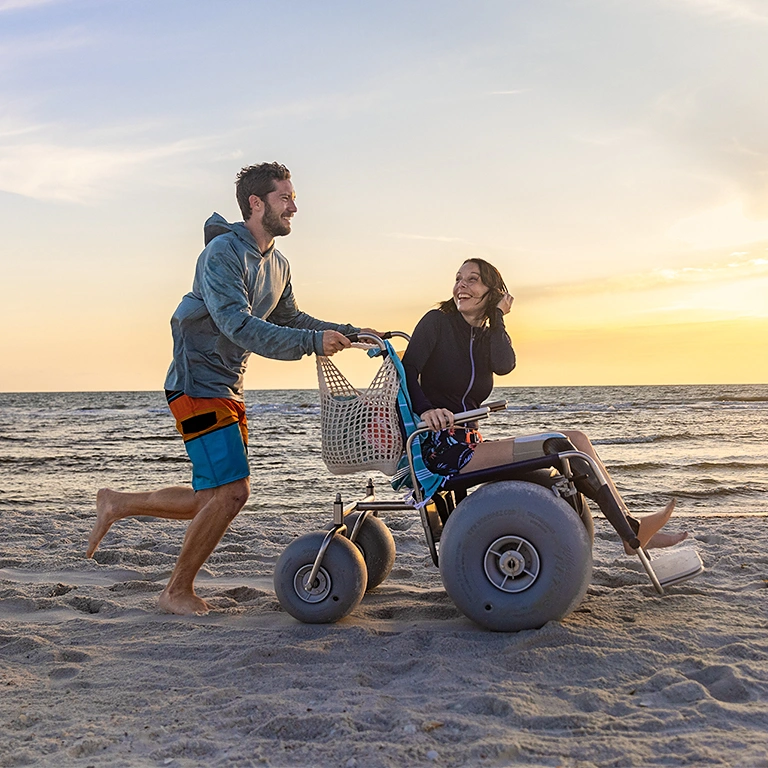
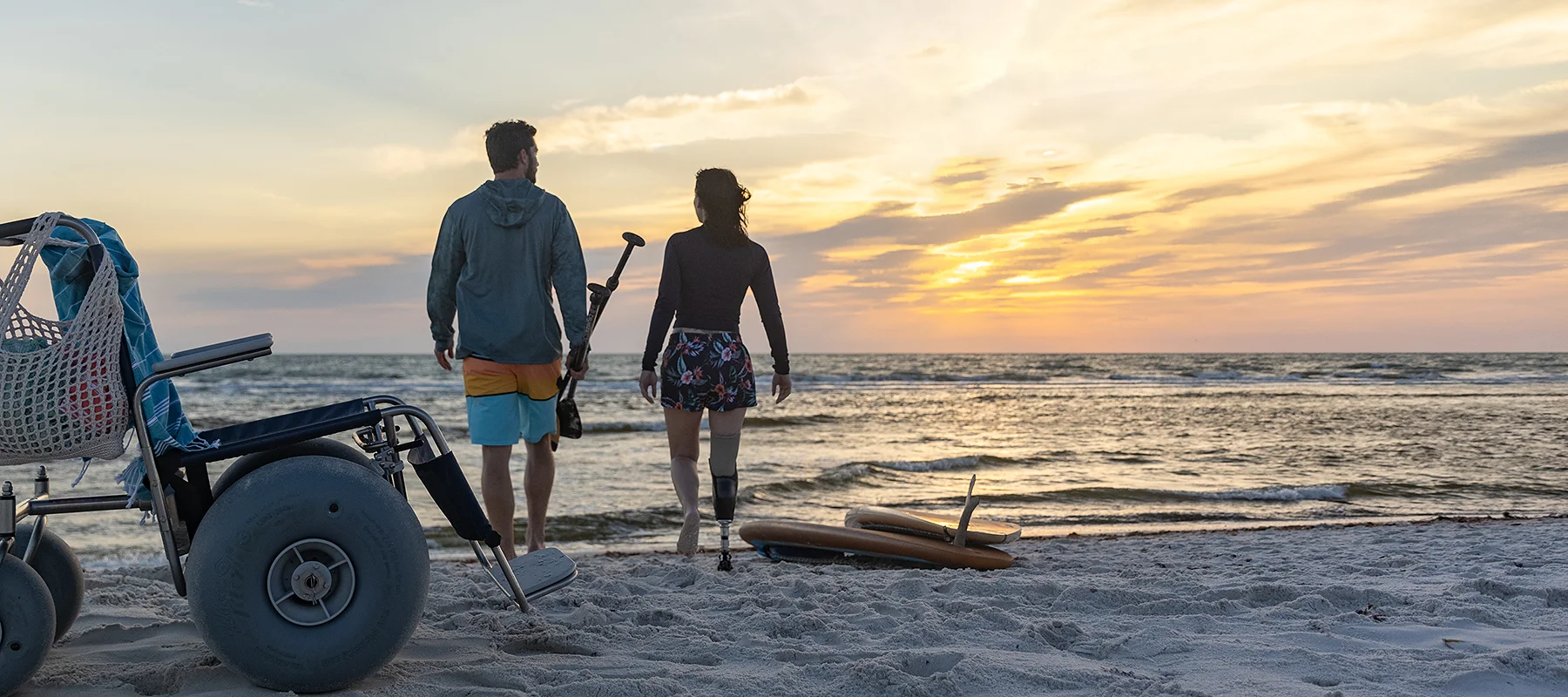
Naples, Marco Island and the Everglades has embraced inclusive representation in its destination advertising, showcasing travelers with mobility challenges enjoying the beaches, outdoor experiences, and natural beauty of Southwest Florida.
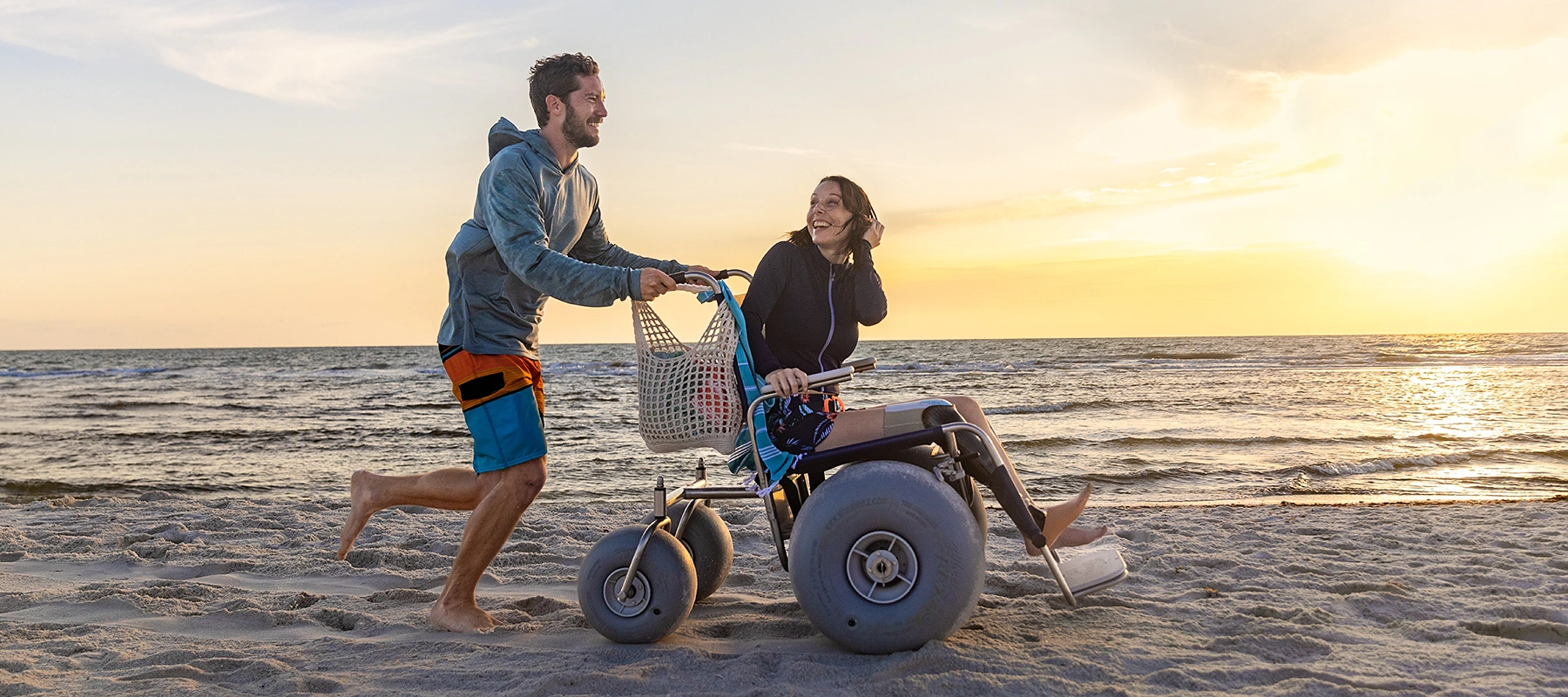
Navarre Beach has invested in accessible parks, beach access, and infrastructure, including Mobi-Mats that help visitors with mobility challenges navigate the sand.
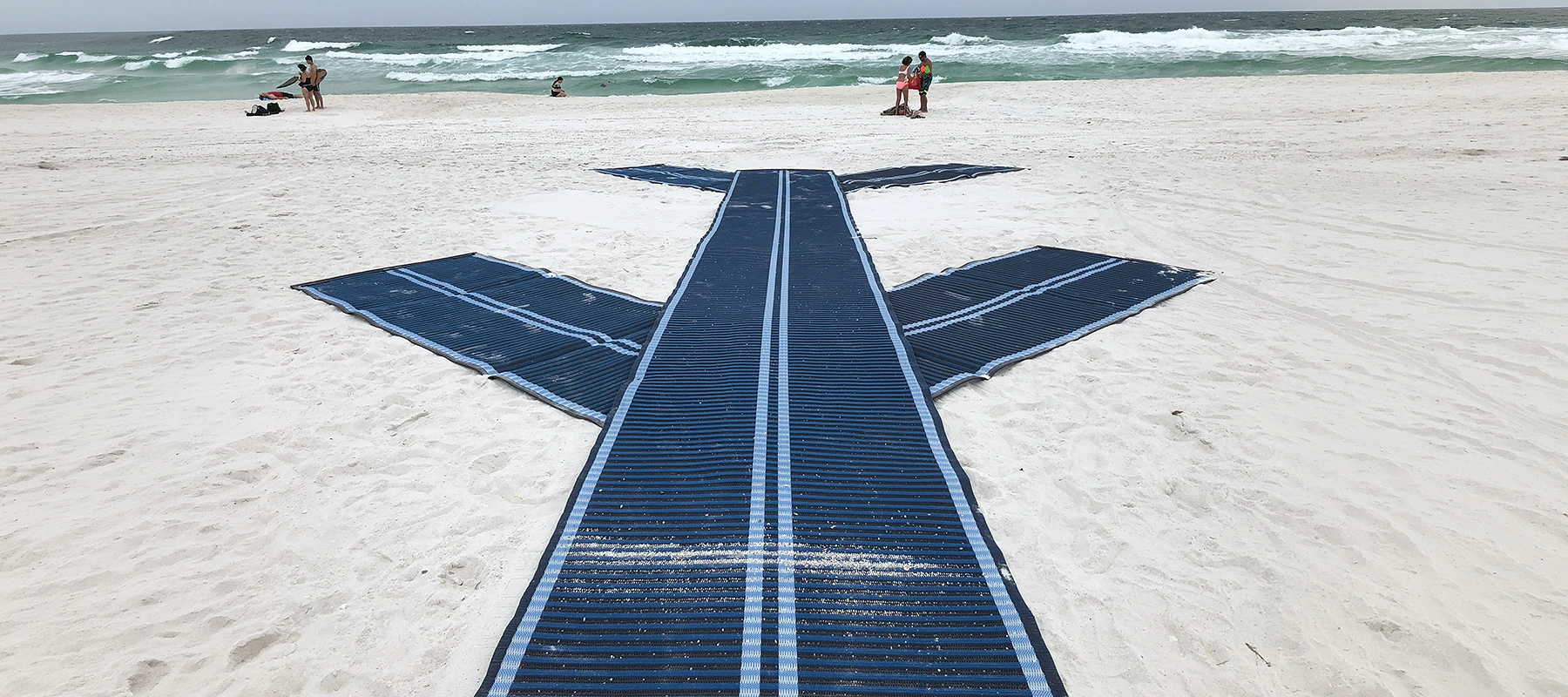
Different destinations. Different approaches. Different stages of the journey.
Yet all demonstrate what happens when accessibility becomes an intentional part of destination planning. Our responsibility as marketers isn’t to portray every destination as completely accessible. It’s to understand what each destination can authentically deliver today, identify opportunities for improvement, and help communicate that progress.
We have to market the experience a destination can actually deliver, not just the experience we wish it could.
The Summit’s “No Budget, Small Team” session reinforced this idea. Progress doesn’t always require significant funding. Sometimes it begins with a conversation, an assessment, a partnership, or simply making existing information easier to find.
The important thing is to begin.
2. Information Is Often the First Accommodation
Imagine spending 12 hours researching a hotel stay. Not comparing rates or amenities, but simply trying to determine whether you’ll be able to navigate the room, bathroom, and surrounding property. And this doesn’t include the time it takes to research how you’ll get from the airport to the hotel – which can also be a significant challenge.
That was an example shared at the Summit, and it stuck with me.
For travelers with disabilities, uncertainty can be one of the biggest barriers to travel.
The Euan’s Guide Access Survey (published 2025) found that 62% of respondents would avoid visiting a venue if it hadn’t shared its accessibility information. Think about that. A destination or business might already have accessible experiences available, but if visitors can’t find accurate information about them, those experiences may never be booked.
Cruise lines are helping set an example by providing detailed cabin dimensions and accessibility specifications. Destinations should be doing the same across their websites and visitor information platforms.
Does a hotel have a roll-in shower? Are accessible beach wheelchairs available? Is accessible ground transportation readily available? Are there sensory-friendly experiences, quiet spaces, or accessible trails?
And increasingly, is that information structured so search engines and AI-powered travel planning tools can find it?
Sometimes the most effective marketing isn’t another beautiful photograph. It’s providing the information that gives someone the confidence to travel.
3. Listen to the People Who Experience Travel Differently
Some of the most impactful moments at TravelAbility came from hearing directly from travelers and creators with disabilities.
John Morris of WheelchairTravel.org, Houston Vandergriff of Downs & Towns, Chelsea Bear, Phoenyx Powell of Phoenyx Travels, and others shared perspectives that challenged assumptions about the travel experience.
Their stories reinforced a simple lesson: Lived experience is often our best teacher.
We can conduct assessments, develop strategies, and create checklists but until we listen to the people who encounter accessibility barriers firsthand, we’re missing a critical part of the conversation. And accessibility extends well beyond physical mobility. It includes hearing, vision, cognitive differences, neurodivergence, sensory sensitivities and more.
For destination marketers, there’s an opportunity to collaborate with local disability organizations, adaptive sports programs, parks, attractions, and local creators who can help us better understand and communicate authentic experiences.
These partnerships also create compelling storytelling opportunities. Not stories about disabilities, but stories about people enjoying the same experiences that make our destinations special.
4. The Business Opportunity Is Bigger Than We Think
The numbers presented at TravelAbility reinforced why our industry needs to pay attention.
According to the CDC, more than one in four American adults has some type of disability (see graphics below).
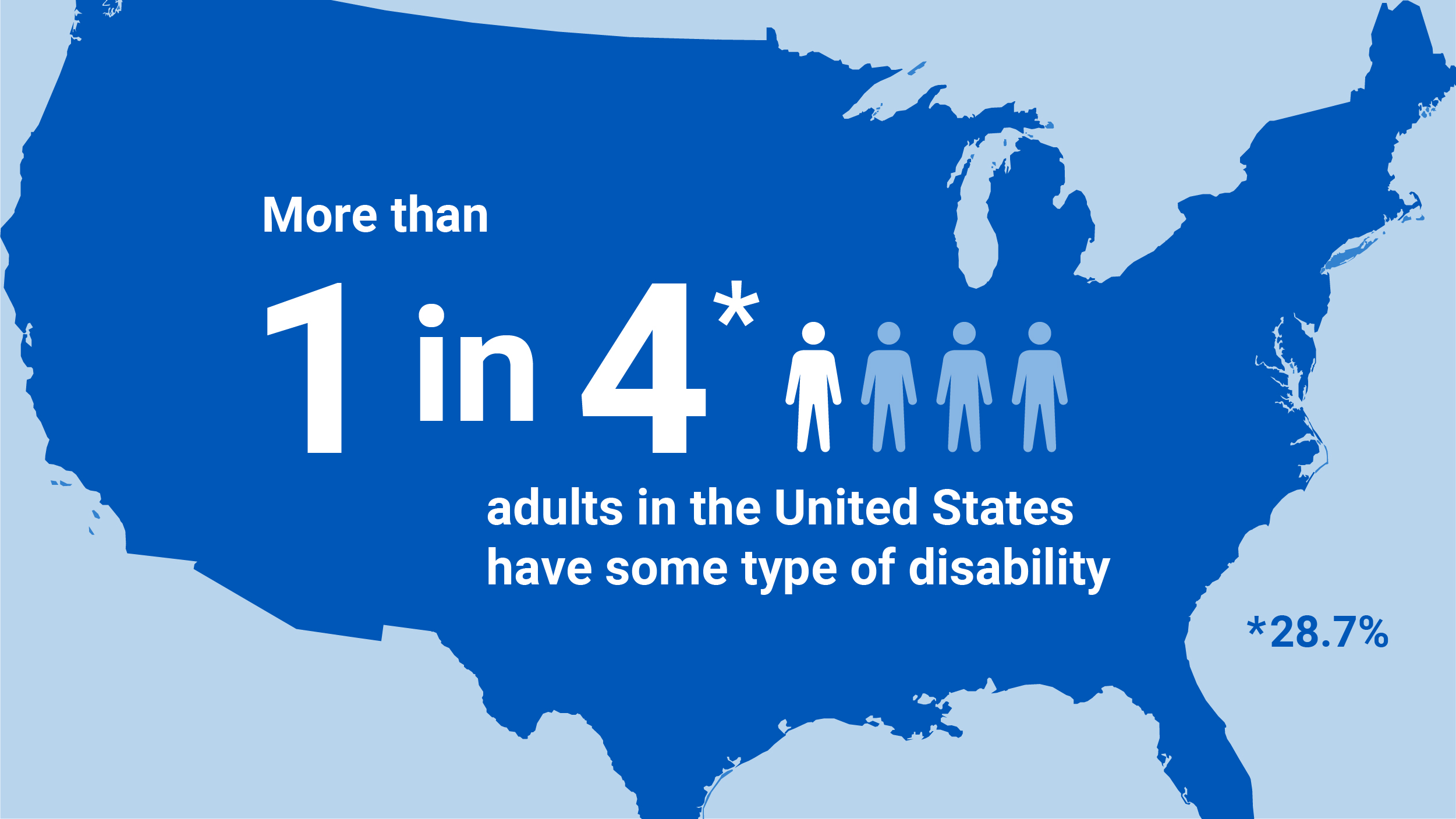
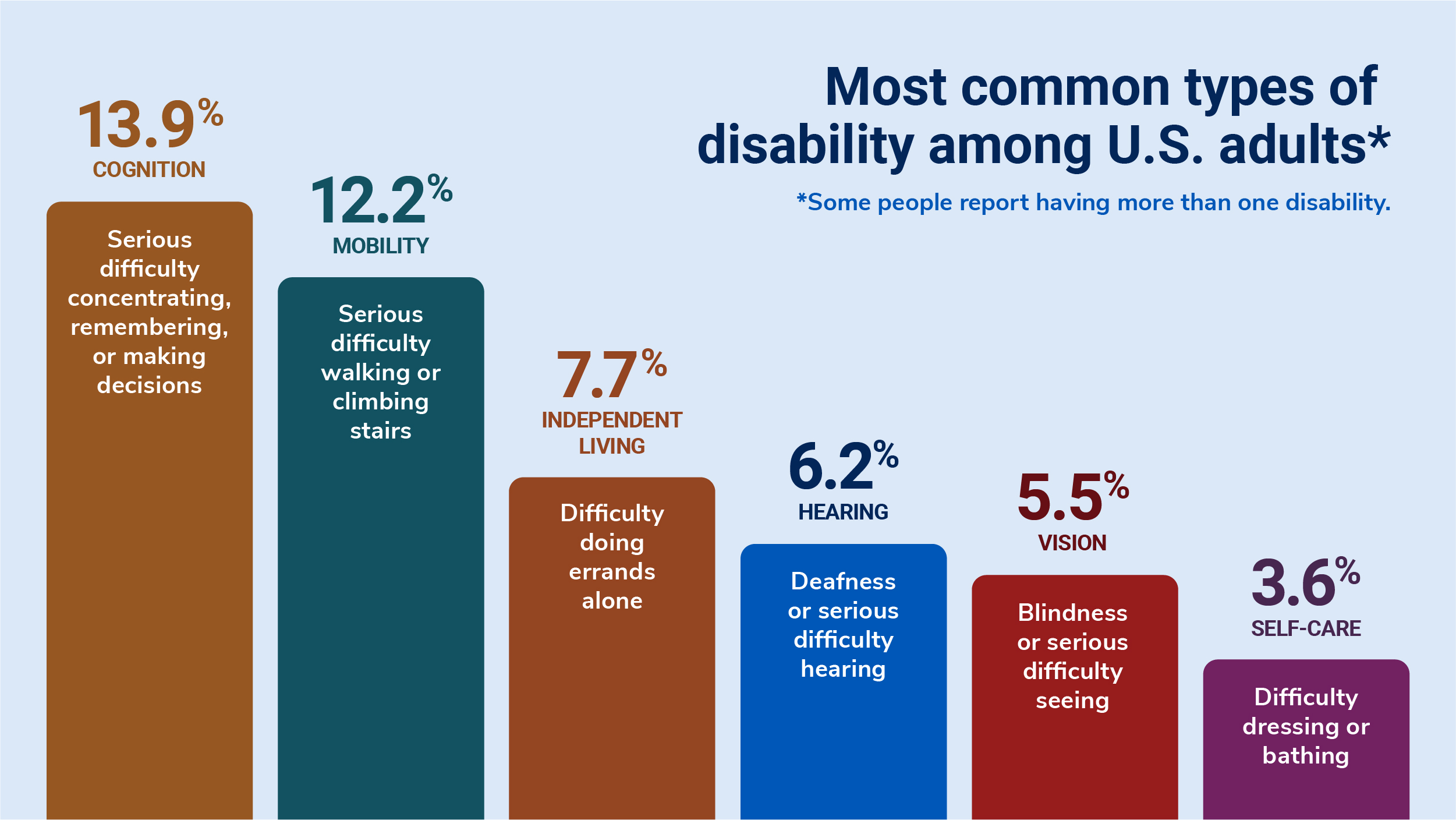
And accessibility decisions affect more than one traveler. If someone in a family or travel group cannot participate, the entire group may choose another destination.
Then consider the aging demographic. By 2030, all Baby Boomers will be at least 65 years old. As the population ages, accessibility will become increasingly important to travelers who have the time, resources, and desire to experience new places.
Add growing awareness of neurodivergent travelers and the needs of multigenerational families, and the opportunity becomes even more significant.
But I don’t believe accessibility should be viewed simply as another audience segment to target.
It’s about making our destinations more welcoming, more inclusive, and ultimately more competitive for everyone.
So, What’s the Next Step?
One of the things I appreciated most about TravelAbility was its practical approach.
There are resources, research, partners, and proven ideas available to help destinations make progress.
For destination marketing organizations, I’d suggest starting with four actions:
- Assess what you already have. Work with local partners and people with lived experience to understand existing accessible experiences, gaps, and opportunities.
- Make information easier to find. Create or improve a dedicated accessibility landing page with detailed, accurate information that travelers, search engines, and AI tools can discover.
- Build authentic partnerships. Engage disability advocates, adaptive sports organizations, community leaders, and creators to help guide both the visitor experience and how you communicate it.
- Measure progress. Track accessible experiences, partner participation, visitor feedback, and engagement to demonstrate value and identify the next opportunity.
At Paradise, we believe our role is to help destinations understand where they are, where they want to go, and how to move forward authentically. We don’t control every hotel, restaurant, attraction, or transportation system. But as destination marketers, we are uniquely positioned to bring these partners together, help establish priorities, tell meaningful stories, and build momentum.
My first TravelAbility Summit left me with a greater appreciation for the work already being done and an even stronger belief in the opportunity ahead.
Accessibility is good hospitality. It’s good business. And frankly, it’s just the right thing to do.
For destinations looking to get started or advance their accessibility efforts, a good place to start is with TravelAbility which offers practical resources through its Accessibility Playbook and Vision 2030 Accessibility Moonshot.